
Article
Not All Screen Time Is Equal
A parent hears their child has been on a tablet in class and naturally thinks of the screen time they see at home, such as games and social media.
For many parents, “screen time” means what they see at home: gaming, social media, videos, or scrolling. So when they hear that technology is being used throughout the school day, it's understandable that the same concerns come to mind.
But screen time is too broad a measure to tell us much on its own.
A student watching videos on the sofa and a student recording a voice note to explain their thinking in class are both technically spending time on a screen. But the purpose, level of engagement and outcome can be completely different.
That's the question that matters most. Not simply how long a student spends on a device, but what they're doing while they're using it.
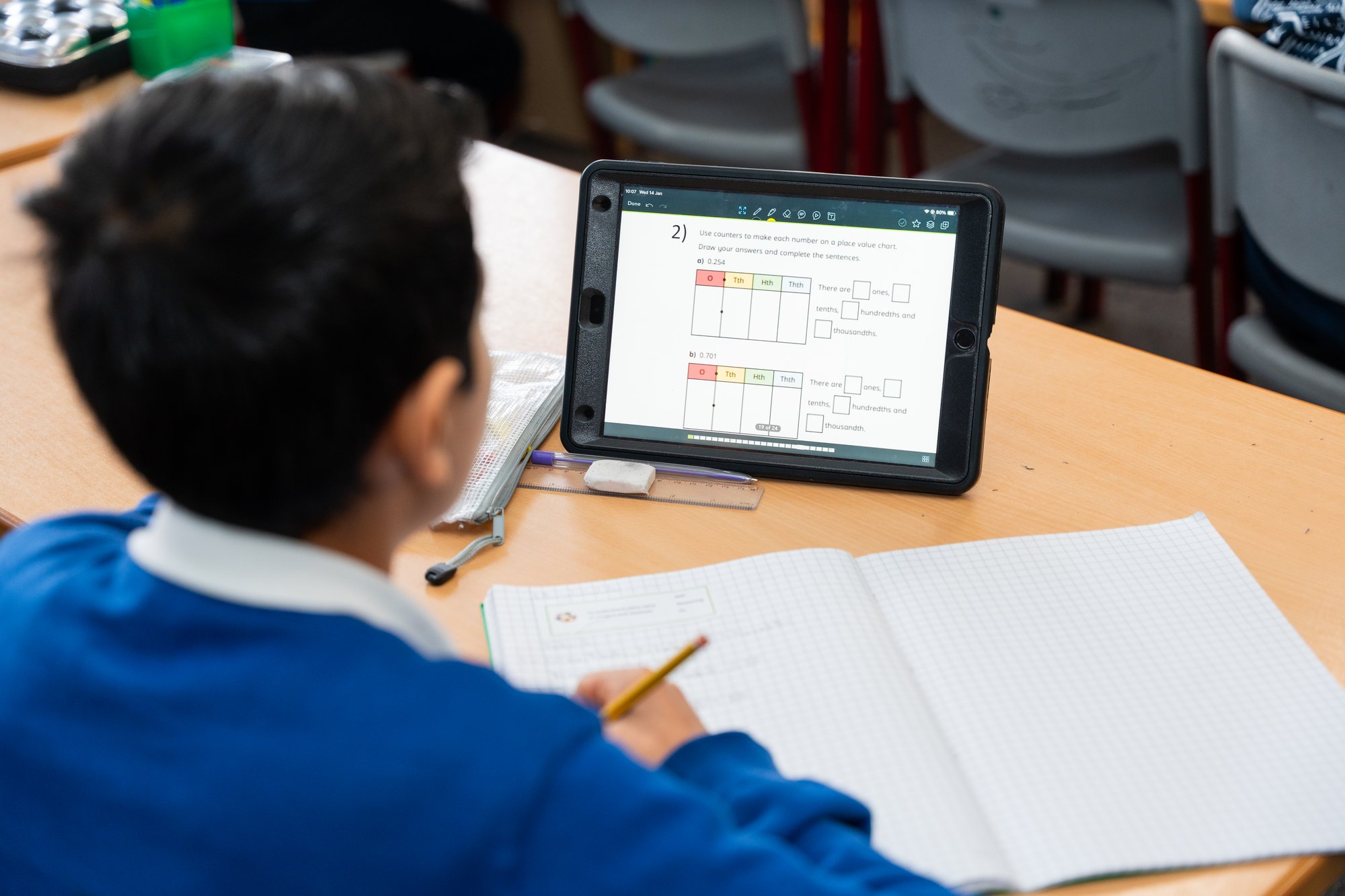
Educational vs Recreational Screen Time
Splitting screen time into two broad categories can help make the difference concrete, but the distinction isn't simply that one is “good” and the other is “bad”. Educational value depends on how technology is being used.
Recreational screen time
- Chosen primarily for entertainment
- Open-ended, with no natural point to stop
- Self-directed, with little oversight or feedback
- Focused on consumption rather than producing something
Educational screen time
- Tied to a specific task or learning goal
- Bounded by a lesson, with a clear start and finish
- Active rather than purely passive
- Supported by feedback, reflection or discussion
- Used to create something that demonstrates learning
Simply putting technology in a classroom doesn't automatically make its use meaningful. A student can passively watch content on a device just as easily at school as they can at home. The difference comes from the purpose behind the activity and what happens next.
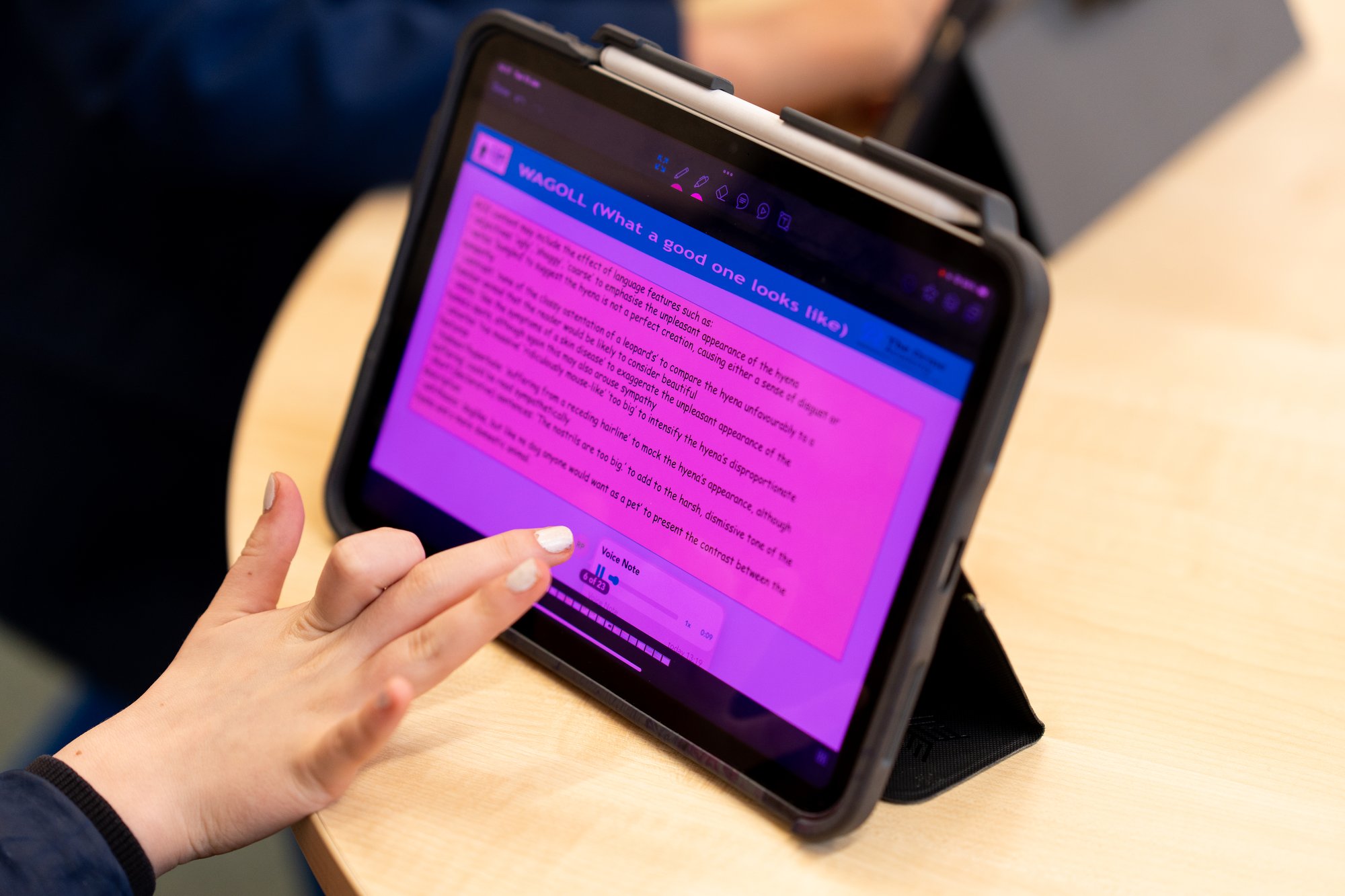
A five-minute video might introduce a new topic before a class discussion. A student might record themselves reading aloud and listen back to hear how they've improved. A piece of writing might receive a teacher's comment showing exactly what to try next. A student might photograph their work to build a record of their progress over time.
In each case, the screen is only part of the process. The learning is in the thinking, creating, discussing, reflecting and responding around it.
Why the Distinction Gets Lost
Parents naturally form much of their view of screen time from what they see at home, where it often sits firmly in the recreational category. When a school introduces more technology into the classroom, that same view can easily be applied to something quite different, particularly if nobody has explained what students are actually doing on their devices.
The worry itself is reasonable. A parent who limits gaming or social media at home has good reason to ask why their child is using a device for a large part of the school day too.
Simply saying that the screen time is “educational” isn't always enough of an answer. Parents need to understand what that time is for. Are students creating something? Explaining their thinking? Receiving feedback? Collaborating with others? Building a record of their progress? Those questions tell us far more about the value of technology use than the number of minutes a student spends looking at a screen.
What Schools Are Really Trying to Solve
The challenge for schools isn't simply deciding whether to use more or less technology. It's making sure that technology has a clear purpose.
Without that clarity, digital tools can become fragmented. Different classrooms may use different platforms for overlapping tasks, while students and staff have to navigate an increasing number of systems. Even where the same technology is available across a school, the experience can vary widely depending on how it's being used.
That means using fewer tools with clearer purposes, rather than adding technology for its own sake.
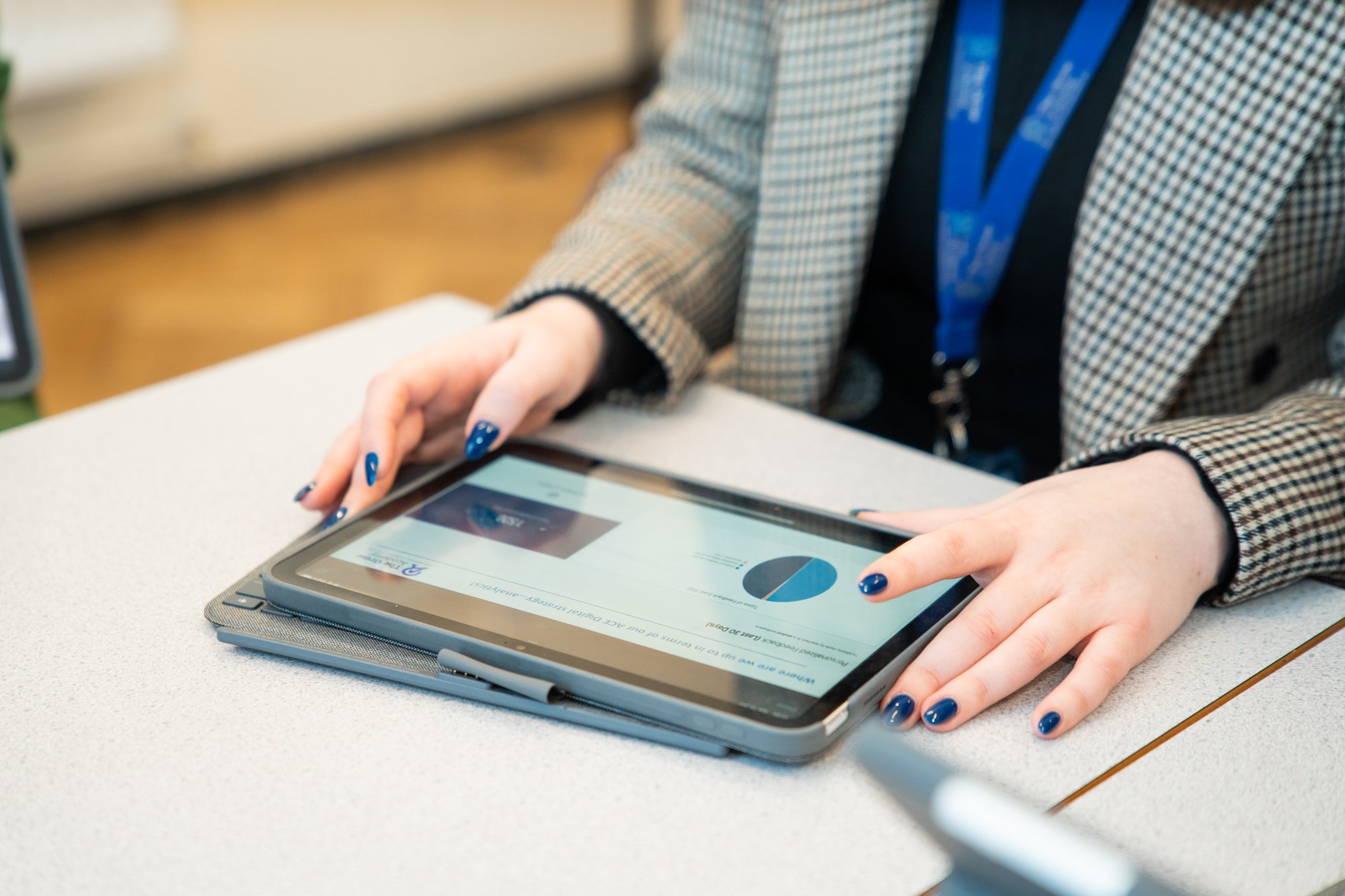
It also means giving students more opportunities to create rather than simply consume, setting shared expectations for what effective technology use looks like, and making it easier for teachers and parents to see the learning that comes from it.
For parents, that visibility can make the distinction much more tangible. A recording of a child reading aloud that's clearly improved over a few weeks, or a piece of writing with a teacher's comment showing exactly what to try next, tells a much more meaningful story than a number attached to “screen time”.
Time spent looking at a screen is a poor measure of educational value on its own. What matters is the purpose of the activity, how actively the student is involved, and what learning comes from it.
Technology should be shaped by pedagogy, rather than pedagogy being shaped by technology.