
Case Study
Improving Teaching and Learning at Scale at Shaw Education Trust
Discover how Shaw Education Trust reimagined its digital strategy through pedagogical intent and data-driven transformation.
Shaw Education Trust embedded Showbie within a trust-wide digital teaching and learning strategy to bring structure, consistency and clarity to its 1:1 iPad deployment. This resulted in stronger adaptive practices, a more coherent curriculum, and more confident, independent learners, leading to measurable improvements at scale.
Serving over 11,000 students across 32 academies in England, Shaw Education Trust operates at significant scale. As the trust has grown, maintaining consistency in teaching and learning across diverse settings has become increasingly important — particularly as digital practice evolved differently across schools.
Overcoming the Challenges
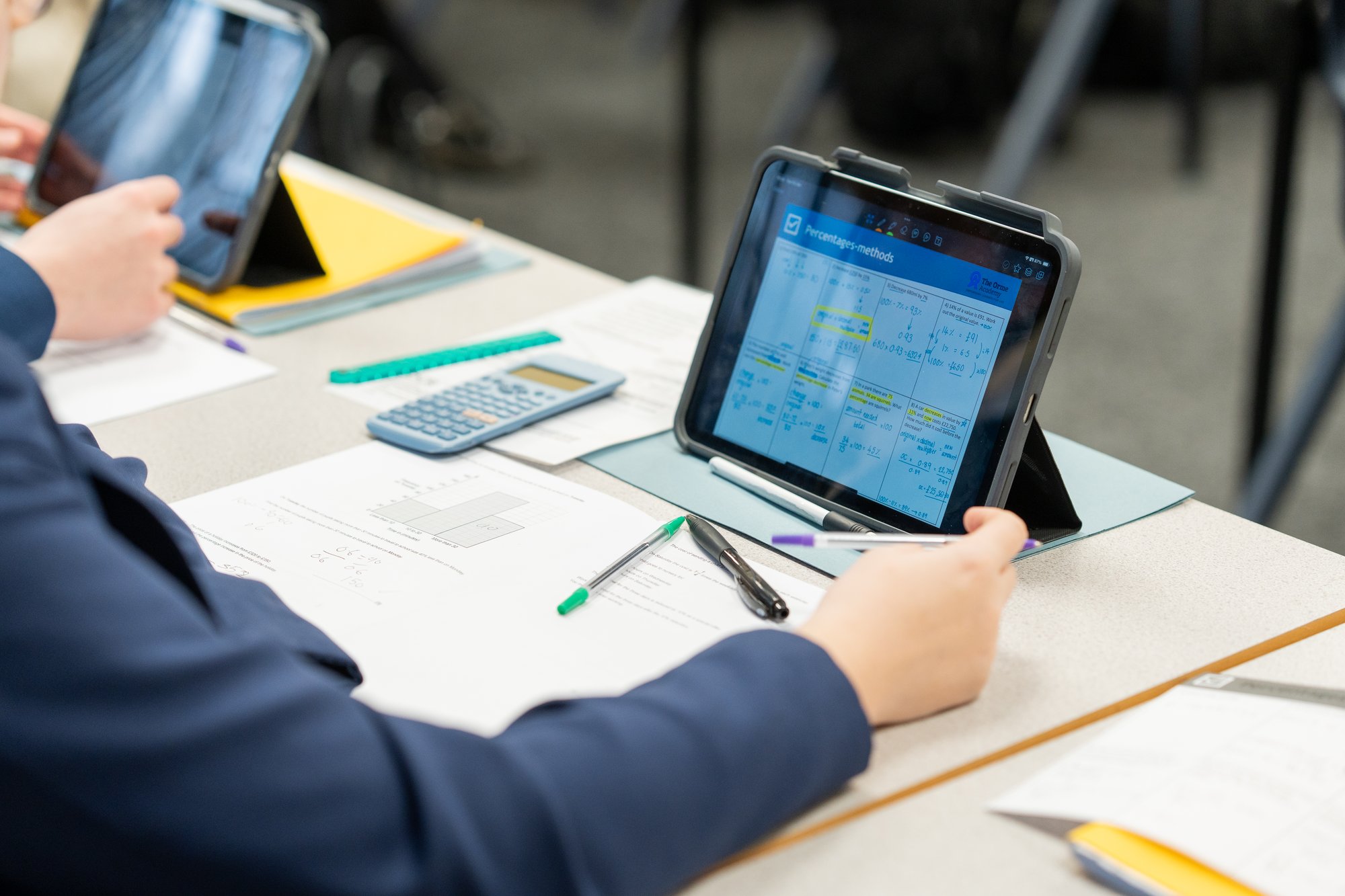
Digital learning was not new to Shaw Education Trust. Many of its schools were already using a 1:1 iPad model. Teachers were incorporating technology into lessons, departments were trying out digital tools, and investments had been made.
But as the trust grew, each school took its own approach. Some teams set up clear systems, while others relied on a mix of digital tools and paper-based methods.
Over time, the trust acquired more than 200 digital subscriptions. Each one was meant to solve a problem, but together they made things more complicated.
The problem was not a lack of ambition but a lack of shared structure. Tanya Rowley, Director of Quality of Education, recognised that the trust didn’t need more tools; it needed alignment.
“We knew Showbie would support us in providing a digital structure around a teaching and learning framework… using Showbie myself, I knew this was a perfect fit.”

Building a Trust-Wide Digital Strategy
The turning point occurred when the digital strategy became firmly rooted in pedagogy. Instead of focusing on device usage, the trust concentrated on how digital tools can support teaching and learning.
Showbie became the platform that supported these priorities — consolidating lesson delivery, assessment, feedback, and resource sharing into a single, consistent workflow. Instead of moving between multiple systems, teachers could build shared libraries of activities and assessments, use flexible class settings designed for scale, and deliver adaptive instruction within a single, structured environment.
With 1:1 iPads already in place, the trust was able to ensure that every pupil could respond within lessons — but it was the structured use of Showbie’s assessment and feedback tools that made that participation visible and actionable. Teachers could see, in real time, which pupils had responded, how they had responded and where misconceptions were emerging.
“Everyone’s got the one-to-one iPads. We get this 100% participation ratio, so the teachers really have an understanding of who understands what within the lessons.”
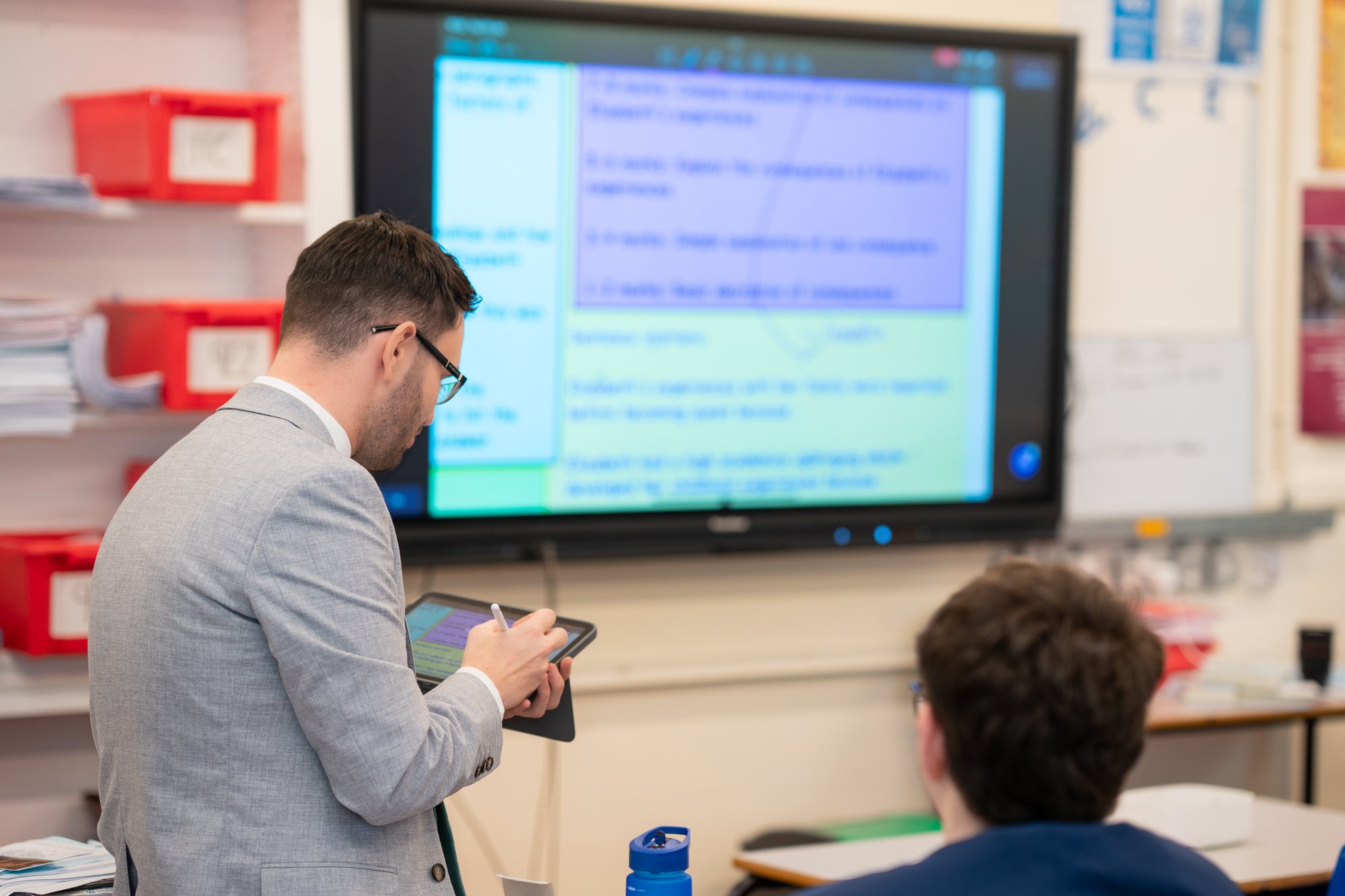
This visibility allowed for immediate instructional decisions. Helen Taylor, Director of Education Data and Insights, explains: “Teachers are using it in the moment—they might check if what they’ve just taught has connected with the students or decide whether to move on or reteach.”
Assessment moved from marking work after lessons to giving feedback in the moment.
Adaptive Practice at Scale
Before the trust-wide approach was embedded, adaptive teaching depended largely on individual systems, while some classrooms were highly responsive, others relied on more traditional feedback cycles.
With Showbie in place across 1:1 classrooms, consistency became possible.
In a single classroom, scaffolding, voice notes, real-time feedback, and adapted materials can work simultaneously, while SEND pupils and disadvantaged learners receive support discreetly, without being singled out.

Helen highlights the impact: “It’s almost like 30 different lessons happening within the same lesson.” This immediacy has boosted independence and built confidence across year groups.
“Students very quickly are seeing what they understand and what they don’t understand.”
Strengthening Curriculum and Professional Dialogue
For Shaw Education Trust, one of the biggest changes has been in leadership discussions.
Before they established a digital strategy, discussions about curriculum and assessments mainly focused on processes. Were the policies being followed? Were the marking expectations met? Was there evidence available? With better digital visibility, those conversations have shifted.
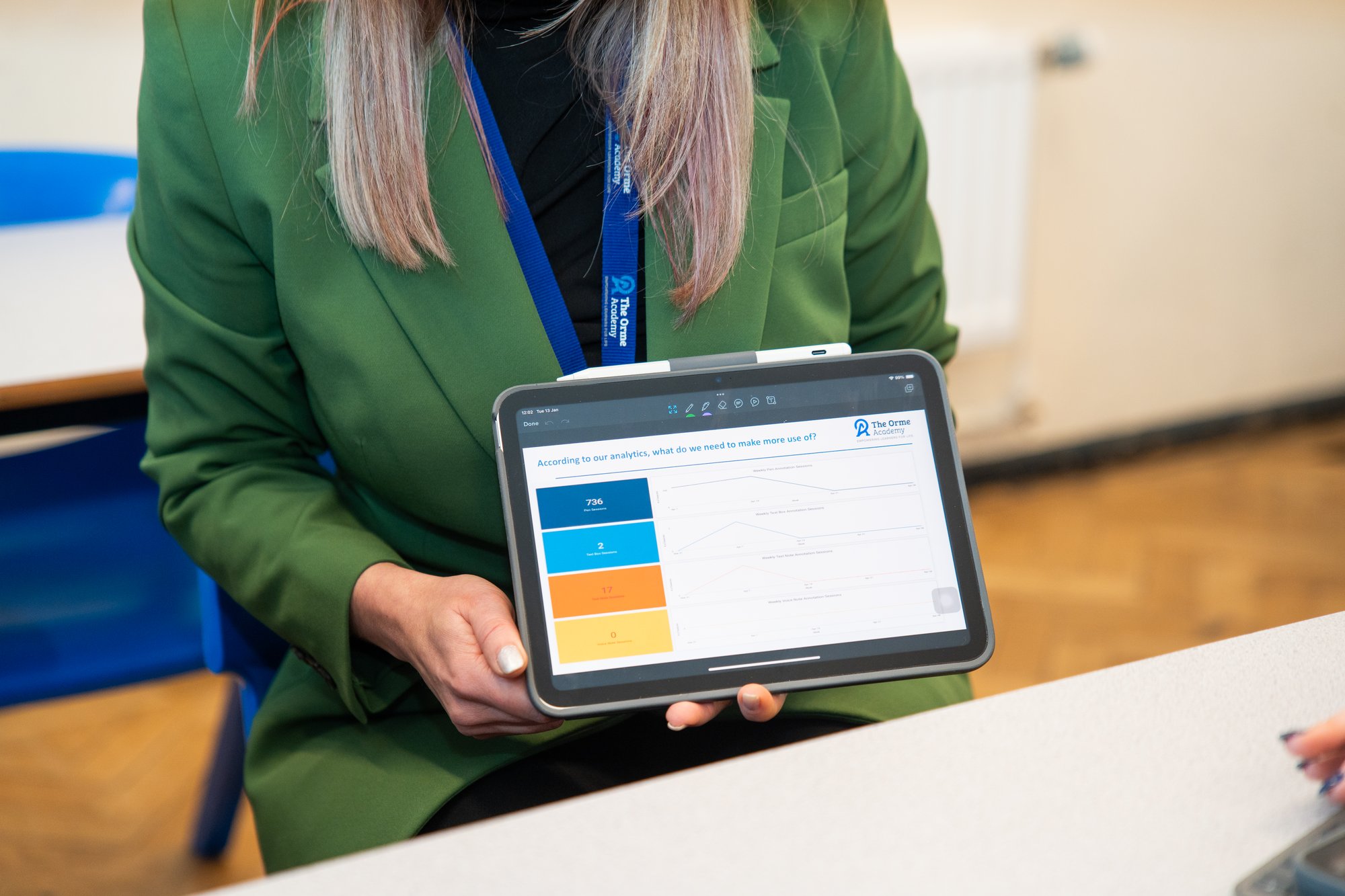
“One of the things that has really helped me as a Director across the Trust is the use of analytics. I can find where best practices are happening, and that truly supports me in implementing CPD across the Trust.”
Instead of depending on isolated snapshots or compliance checks, Tanya can now see patterns in formative assessment, feedback routines and adaptive response across schools. The analytics do not show device usage; they reveal how teaching is functioning in practice.
It is possible to see where formative assessment is deeply embedded, where feedback is consistent and where instructional routines vary, and just as importantly, areas requiring further support become visible before they impact outcomes.
This visibility has reshaped professional development. Rather than delivering the same CPD across all settings, the trust can target support precisely where it is needed. Strong practice is identified and shared in termly hubs, and middle leaders collaborate across schools to share real examples of scaffolding, assessment design and feedback.
"The conversation around curriculum and assessment has massively improved. The quality is so much better with my middle leaders across the Trust, and it’s gone from compliance to impact."
Now, the focus has moved from proving that something has been done to understanding whether it is effective. For a multi-academy trust operating at a large scale, this difference matters because it strengthens middle leadership, builds a shared language around teaching methods, and ensures that improvements are based on evidence rather than assumptions. In this situation, the digital strategy has not replaced professional dialogue; it has enhanced it.
Attendance, Confidence and Continuity
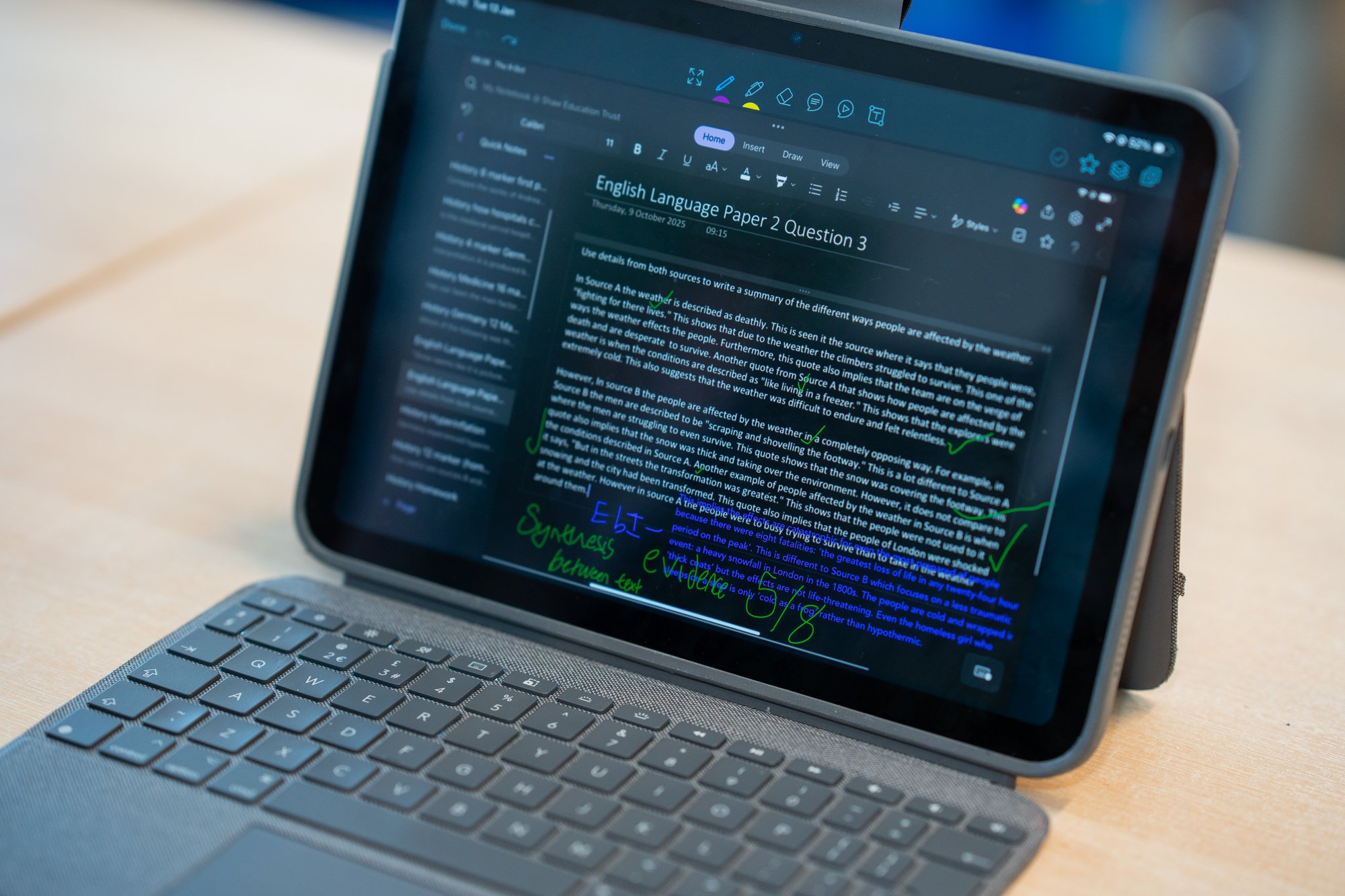
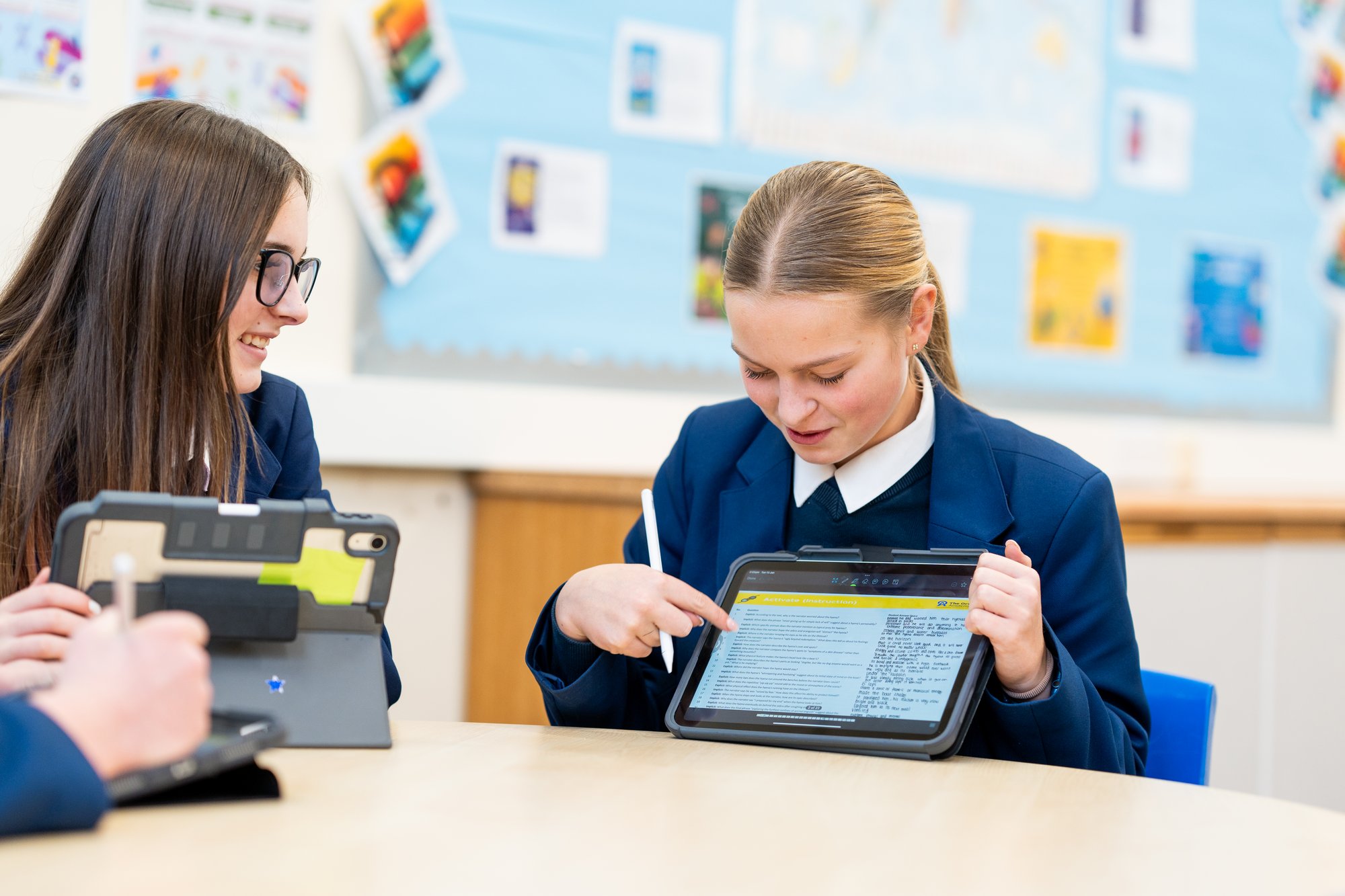
One of the less expected but increasingly important impacts of the trust-wide digital strategy has been on learner confidence. When curriculum materials, scaffolding, and feedback are stored centrally within Showbie, learning does not end at the close of a lesson; it remains accessible. For students who are absent due to illness, anxiety, or other challenges, this continuity is crucial.
In the past, missing a lesson could quickly lead to a sense of disconnection, as work was kept in exercise books and explanations were spoken. Catching up required a lot of extra teacher time or personal effort from the student. Now, lesson resources, teacher explanations, voice notes, and assessment feedback are all in one place. Students can review content on their own. They can see where they have a solid understanding and where they need help before they return to the classroom. This structured record of learning helps maintain continuity and confidence.
For a multi-academy trust serving diverse communities, this continuity plays a vital role in protecting academic progress.
The digital strategy has not replaced attendance strategies. However, it has reinforced them by ensuring that absence does not automatically lead to disadvantage.
“Showbie gives them the confidence that when they do come into school, they have got that knowledge, so they don't feel like they are way behind their peers.”
An Improvement for All Staff
The benefits of this digital transformation haven’t been limited to pupils — teachers have seen real, tangible gains too.
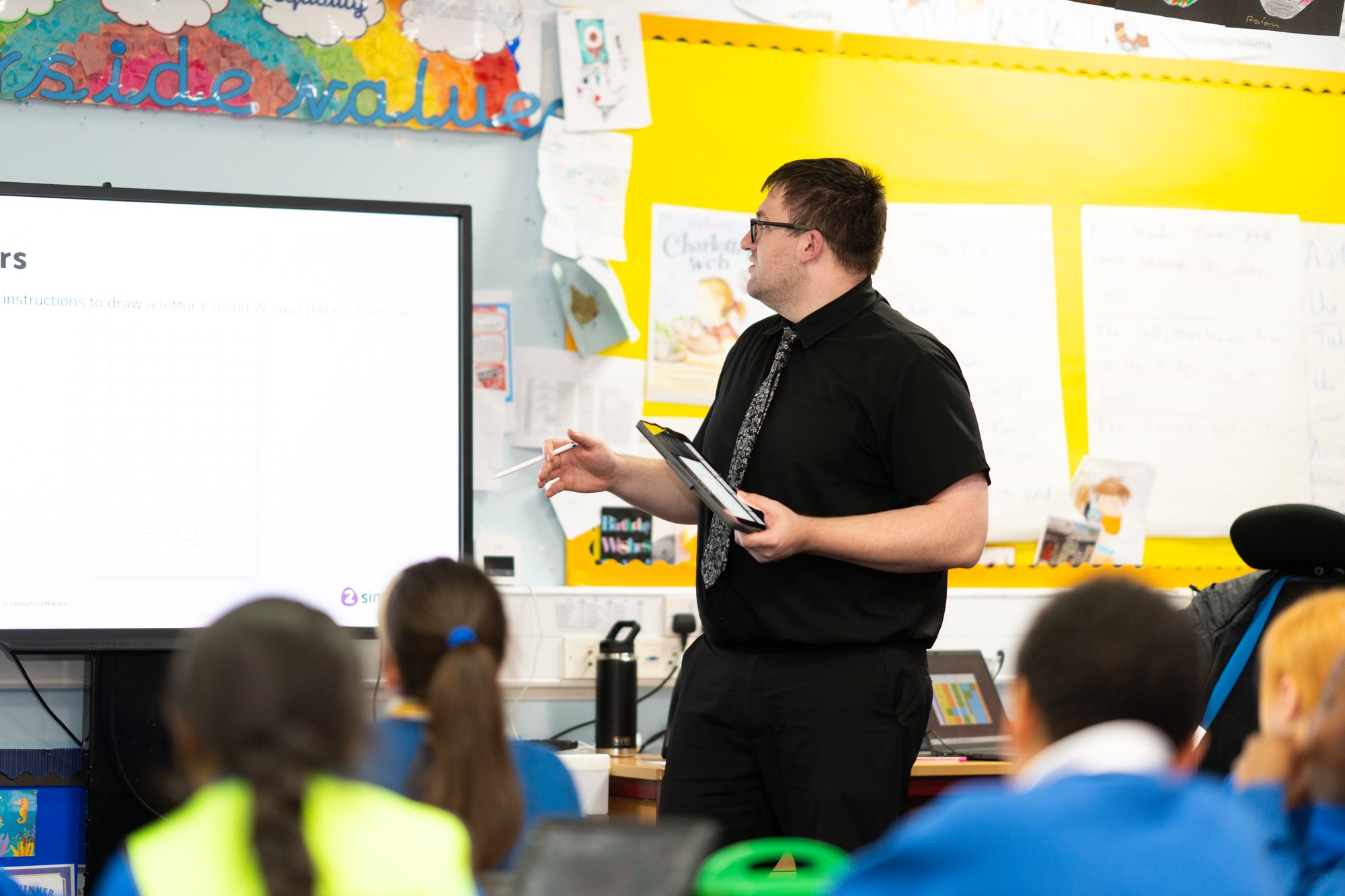
Time once spent printing, planning and marking is now used more purposefully. Lesson resources can be shared instantly in any file format, physical work can be scanned directly into a digital record for feedback, and quick marking tools streamline assessment tasks. AI-assisted assessment creation and feedback tools further reduce repetitive workload, allowing teachers to focus on instructional impact rather than administration.
Teachers can spend more of their time where it has the greatest impact: in the classroom, responding to pupils in real time. This shift has influenced culture as much as workflow.
“Overwhelmingly, staff mentioned that they would not want to go somewhere else now that didn't have Showbie, one-to-one iPads and the digital teaching learning strategy that we have in our trust.”
In a sector where recruitment and retention remain ongoing pressures, that sentiment carries weight. It suggests that teachers feel supported by a system that makes sense — where resources are easy to find, feedback is manageable, and expectations are consistent.
The strategic shift also brought operational clarity as consolidating more than 200 digital subscriptions reduced duplication and simplified procurement. Using a secure, GDPR-compliant platform strengthened governance and improved data handling consistency.
The Impact at Scale
Today, approximately 20 of the trust’s 32 schools are working within this aligned digital framework.
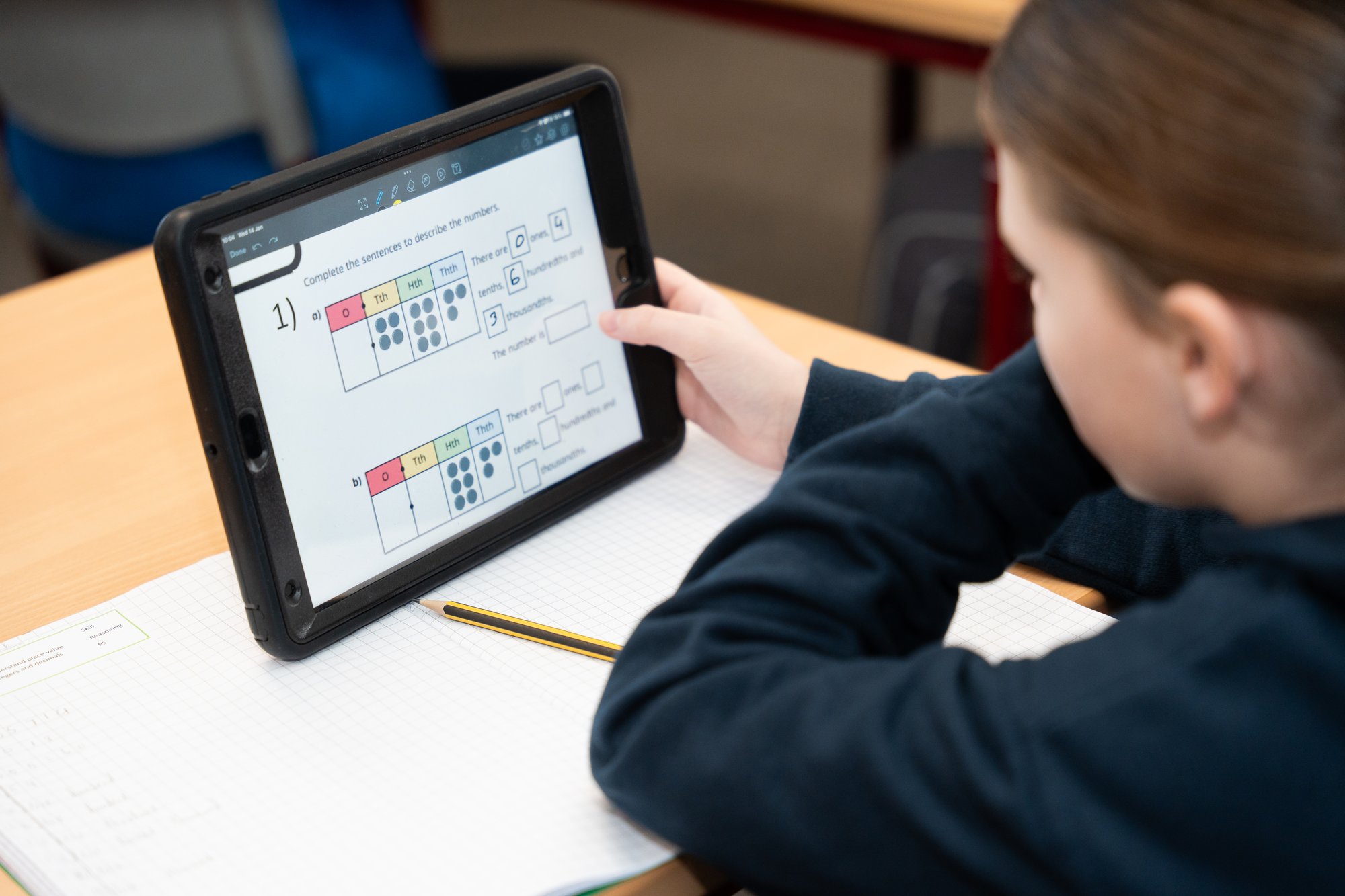
In classrooms across Shaw Education Trust, there is now a shared learning structure. Pupils unlock their iPads and move confidently to an organised space where lesson materials, feedback and previous work are stored. They're able to revisit explanations, see where they have progressed and identify where they need further support.
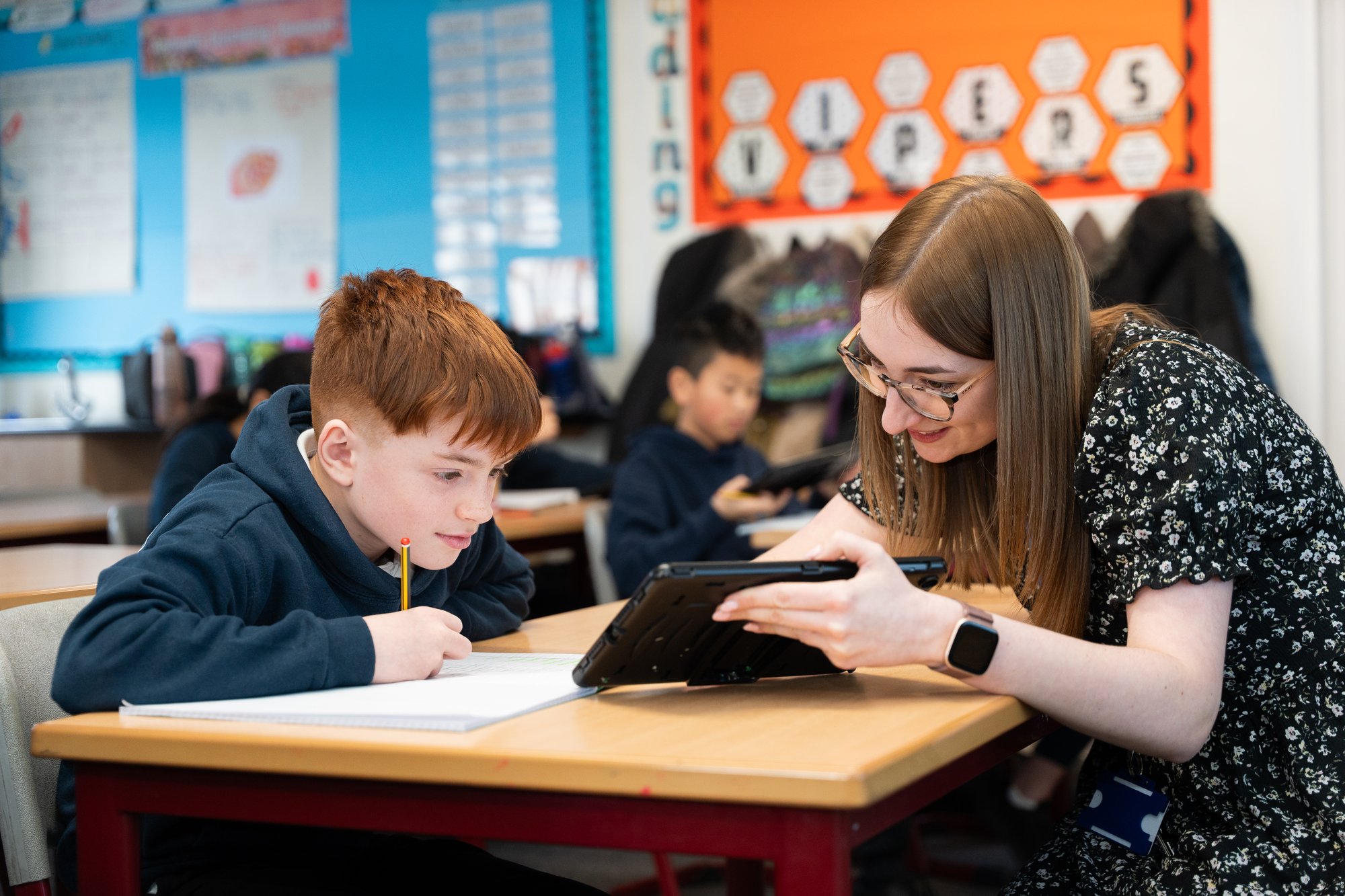
Teachers can see how understanding is developing in real time. They can reteach a concept, add scaffolding, or help pupils who are ready to move on.
Middle leaders now engage with assessment and feedback data in a more meaningful way, analysing patterns in formative practice rather than isolated snapshots of work. Teachers describe feeling more in control of their time because feedback and adaptation happen within lessons rather than after them. Pupils, in turn, are clearer about what they understand and what they need to work on next. Across classrooms and leadership meetings alike, the system supports instructional thinking rather than adding complexity.
At trust level, the admin dashboard provides visibility across schools, while organisation-wide analytics support strategic oversight. Showbie has become the backbone of the trust’s digital transformation — maximising the impact of its iPad investment and unlocking operational efficiencies.
“The teaching and learning across the trust has massively improved, and I also feel like the students are getting better opportunities, better teaching, better resources and it's created better independent learners. It's just had a massive, massive impact.”
What’s Next?
For Shaw Education Trust, the work isn’t finished — but the foundations are firmly in place. With a shared digital structure now embedded across more than half of its schools, the focus is shifting from implementation to refinement. Leaders are continuing to strengthen adaptive practice, deepen CPD and expand alignment across settings.
The trust’s use of analytics will continue to inform targeted CPD, ensuring that strong practice is identified and shared. Termly hubs will build on the culture of collaboration that has already begun to take root. And as more schools align with the shared framework, consistency will continue to grow without diminishing individual school identity.
There is also a longer-term ambition: to ensure that digital teaching and learning remain sustainable. That means protecting teacher time, maintaining clarity of structure and ensuring that technology continues to serve pedagogy, not distract from it.
This trust-wide transformation is part of a broader digital journey. Over the coming weeks, we'll be sharing how that aligned strategy comes to life across different contexts — from primary to secondary, in classrooms throughout Shaw Education Trust.
Find out more:

.png?width=352&name=Copy%20of%20Copy%20of%20Events%20(1).png)