Article
How to Improve Feedback With Digital Platforms
Feedback sits right at the top of the evidence table. The Education Endowment Foundation's 'Teaching and Learning Toolkit' rates it as very high impact for very low cost — worth an average of six months' additional progress over a year.
But the uncomfortable truth about feedback in most K-12 classrooms is the problem was never the feedback itself. Teachers know exactly what to say to move a learner forward. The problem is the workflow it has to travel through. Thirty books collected at the end of a lesson, marked at home that evening, handed back two days later — by which point the student has moved on, and the misconception has settled in.
Why does feedback often arrive too late to matter?
Picture a student working through a geometry worksheet. She's calculating missing angles in triangles, but she's started from the wrong number — 120 degrees instead of 180 — so every answer comes out wrong. Worse, she knows something's wrong. Her working keeps producing negative angles, which she's fairly sure can't be right. She's confused, she's stuck, and the moment where a single sentence from her teacher would fix everything is happening right now.
In a paper workflow, that moment is lost. The book goes in the pile, the teacher discovers the mistake that evening, and the correction arrives days later.
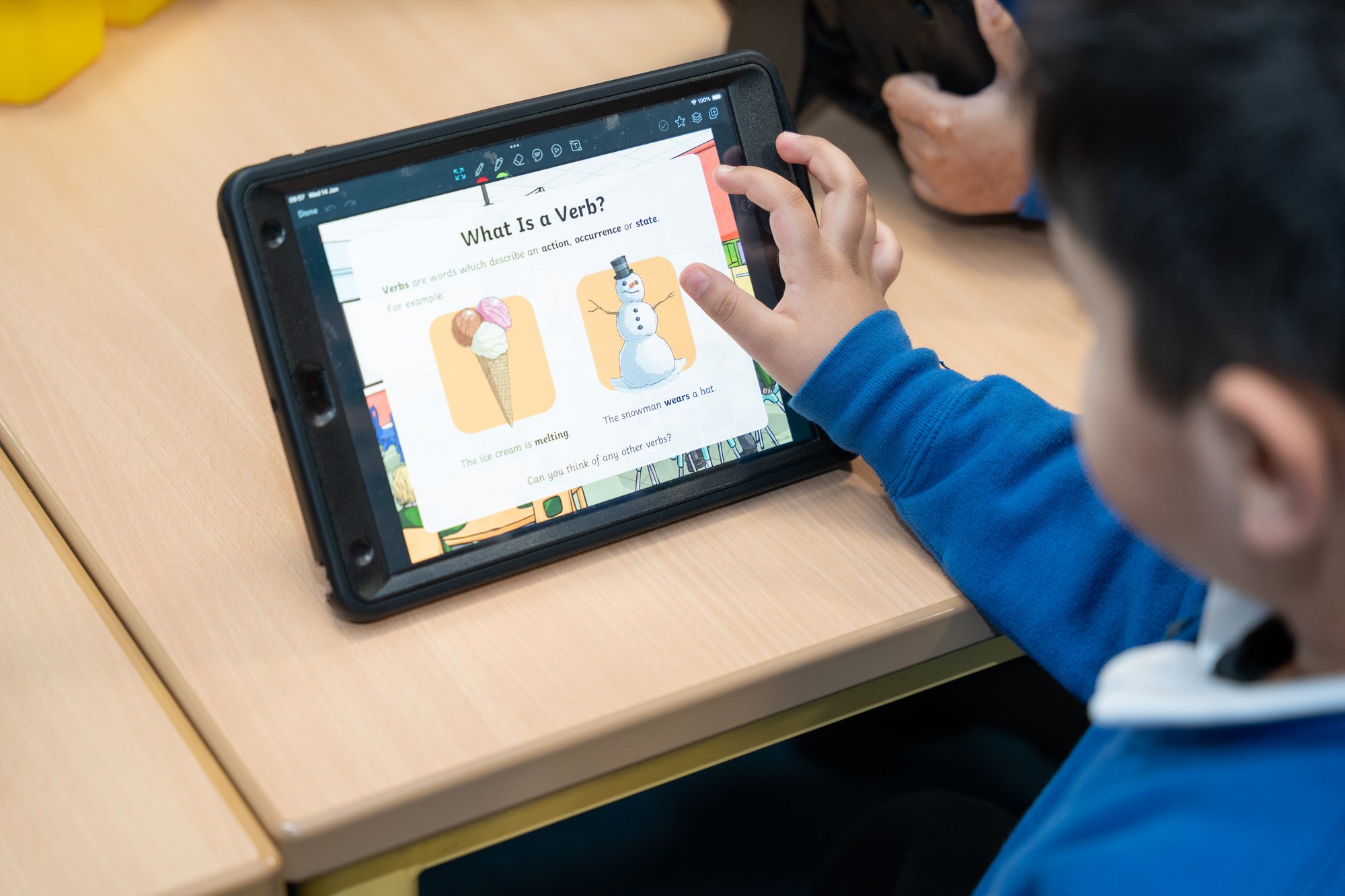
On a digital platform, the same student can leave a voice note on her work, right next to the question, explaining exactly where she's stuck. Her teacher can listen and reply in the moment — a 20-second voice message pointing out that internal angles total 180, not 120, and inviting her to try the sheet again. The misconception is actively addressed, she has a conversation and a second attempt.
That's the shift in one example: feedback stops being a verdict delivered after the fact and becomes part of the learning itself.
What does effective digital feedback look like?
The research on feedback is remarkably consistent about what works. The EEF's feedback guidance points to feedback that is timely, focused on the task, and acted upon by the learner. Digital tools make each of these easier to deliver in practice.
-
Timely: When a class assessment finishes, results can be marked, compiled and back in students' hands within minutes — including individual reports showing each question, an explanation, and the correct answer where they went wrong. Compare that with the turnaround on a paper test, and the difference isn't marginal. Students get their feedback while they still remember what they were thinking.
-
Personal: A voice note placed at the exact spot on the page where a mistake happened carries something a tick or cross never can: the teacher's actual voice, tone and encouragement. Learners find hearing their teacher talk them through a correction is more engaging and easier to act on than a written comment, and it takes the teacher seconds to record.
-
A dialogue, not a monologue: Because feedback lives on the same document as the work, students can respond to it by using annotations, asking a follow-up question, or even adding a voice note explaining their thinking. Feedback becomes an exchange rather than a full stop. Teachers get something paper never gave them: a window into why a student answered the way they did.
-
Actionable: The most underrated feature in digital feedback might be the humble "needs revision" status. Instead of a final mark that closes the conversation, a student can be told: here's where you are, here's what to fix, now resubmit. Paired with a short note — listen to the voice note I've left you, then have another go — it turns feedback into the next step of the work, which is exactly what the evidence says feedback should be.
Where does AI fit into feedback — and where doesn't it?
AI-assisted feedback is arriving in classrooms, and it's worth being precise about what it should and shouldn't do.
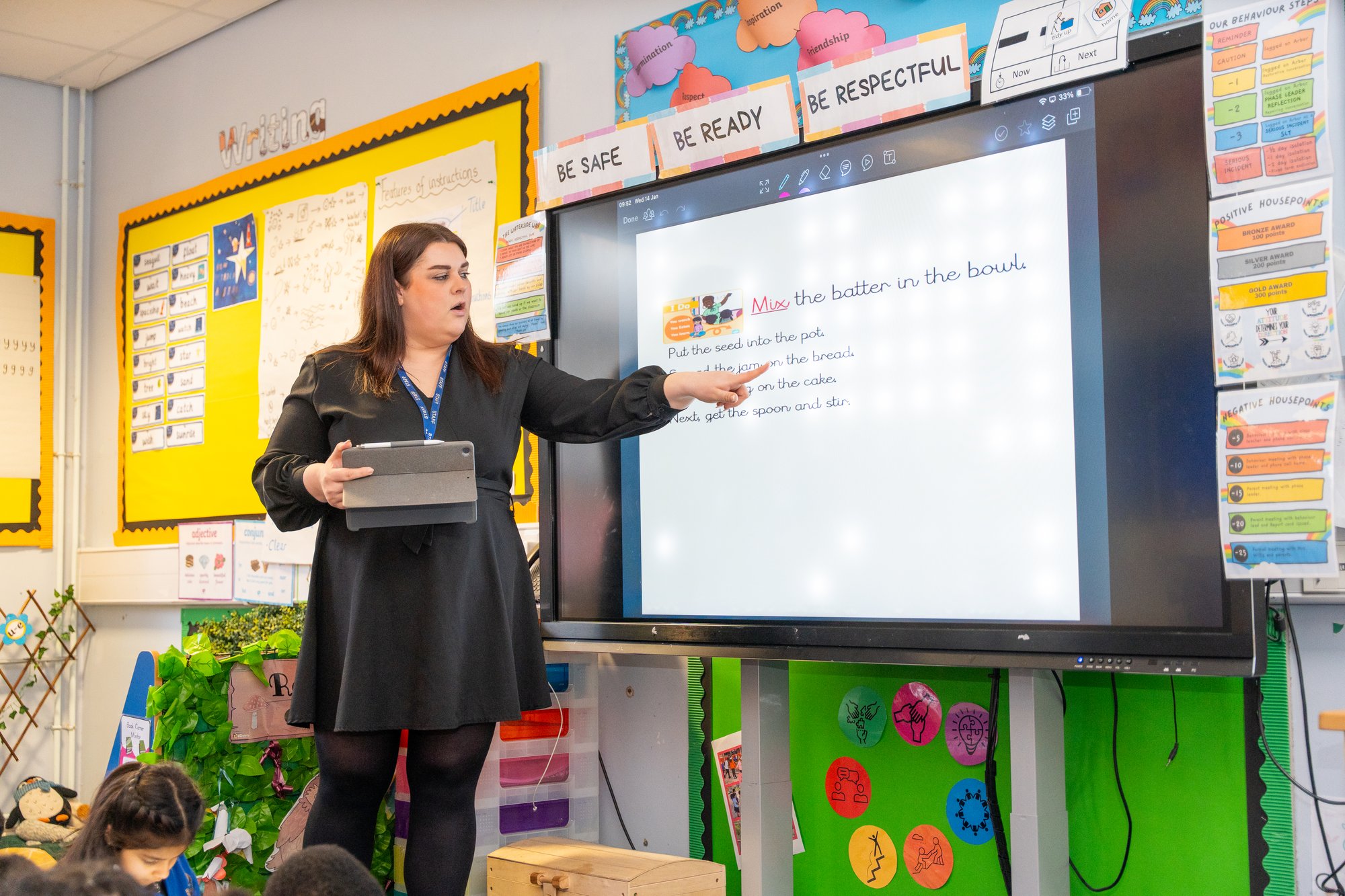
The model that works looks like this: the teacher jots down rough notes — a few fragments capturing what they want the student to work on — and the AI turns them into a clear, actionable comment. The teacher reads it, edits it, personalises it, and only then sends it. The professional judgement about what the student needs stays entirely with the teacher; the AI just helps with the drafting.
What shouldn't happen is AI generating feedback the teacher hasn't shaped. Feedback works because it comes from someone who knows the learner, the lesson and the context. An AI assistant that saves a teacher five minutes of wordsmithing is a genuinely useful tool. One that replaces the teacher's voice defeats the purpose of feedback altogether.
That's the standard worth holding any AI feedback feature to: does the teacher stay in charge of the message? In Showbie's Feedback Assistant, they do — nothing is sent without the teacher reviewing and refining it first.
What does this look like across a whole class?
Individual feedback moments matter most, but digital platforms also give teachers something paper can't: the whole-class view. An activity overview shows at a glance who has submitted, who's still working, and where the gaps are. Assessment data can be exported for revision planning or shared with colleagues. Patterns that would take an evening of cross-referencing books surface immediately, and can shape the next lesson before it happens.
That's feedback working in both directions: to the student, about their learning, and to the teacher, about their teaching.
The workflow finally caught up
The evidence on feedback shows that timely, specific, actionable feedback moves learning forward the most. What's changed is that the classroom workflow can finally keep up with it. When feedback can reach a student in seconds rather than days, in their teacher's own voice, with a clear next step attached, the gap between what the research recommends and what a school day allows starts to close.
.png?width=352&name=Copy%20of%20Copy%20of%20Events%20(1).png)