Case Study
Breaking Barriers at Waterside Primary School
Discover how Waterside Primary School is using Showbie to create structured, inclusive lessons that support every child’s success.
Waterside Primary School sits at the heart of Stoke-on-Trent, a community rich in culture and diversity, but also shaped by social and economic challenges. For staff at Waterside, digital learning has never been about devices alone; it has been about equity, confidence, and making sure that every child is prepared for life beyond the classroom.
Through integrating Showbie within daily teaching, the school has created structured, inclusive lessons that support every pupil.
Overcoming the Challenges
Serving a community with high levels of deprivation and a large proportion of pupils with English as an Additional Language (EAL), staff understand that barriers to learning can appear quickly. Language can present challenges for some pupils, limited writing confidence can prevent others from demonstrating what they know, and uncertainty about classroom routines can reduce engagement before learning has even begun.
In traditional classrooms, these challenges can compound. Writing difficulties are sometimes mistaken for a lack of understanding, quieter pupils can be overlooked, and teachers need additional time to address gaps that have already widened.
Staff at Waterside were clear that these barriers would not determine pupils' outcomes. As Headteacher, Louise Willis, explains: "One of our school priorities is making sure that pupils are ready for the future and Showbie is an essential part of that."
For the team, preparing pupils for the future means more than digital skills — it means building confidence, deepening understanding, and giving every child fair access to learning.
"Staff have data in their hands straight away so they can see which groups of children may have misconceptions and which groups of children don't."
Teaching in Real Time
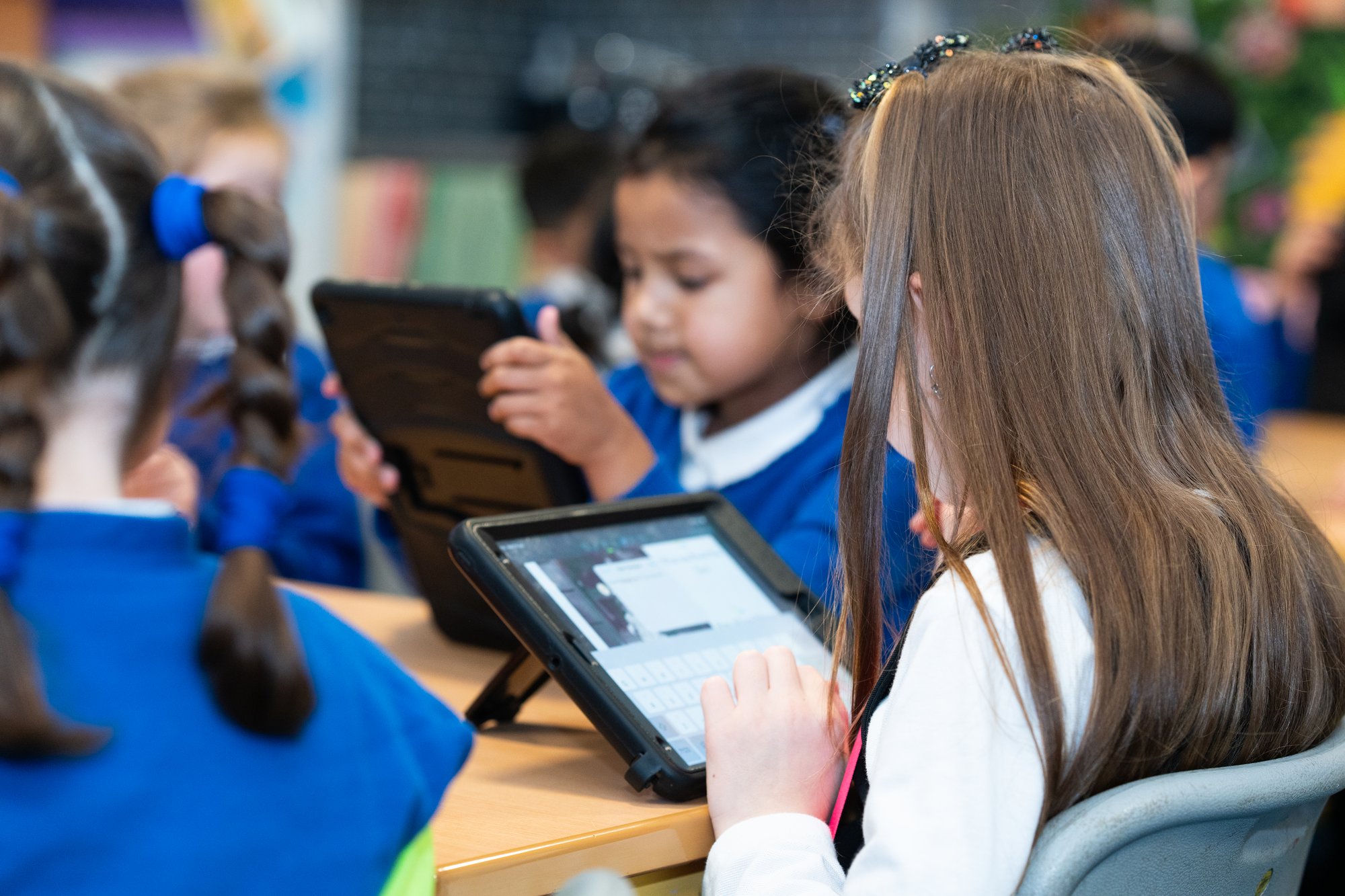
Once Showbie was introduced, Waterside began to monitor and adapt learning as it happened rather than waiting until lessons were over. Where teachers once collected books and marked them later, assessment now takes place during the lesson itself.
Teachers use Showbie Assessments to check what pupils know before starting new topics, gaining immediate insight into what has been retained and where misconceptions are emerging. Rather than discovering gaps after the class has moved on, teachers can pause, re-explain, offer support, or help pupils move ahead — all within the same lesson. Deputy Headteacher, Naomi Rathbone, captures the shift: "Staff have data in their hands straight away so they can see which groups of children may have misconceptions and which groups of children don't."
Immediate feedback has also changed how pupils relate to their own progress. Year 6 pupil Madison reflects: "If someone knows their score is not so good, it gives them a chance to learn what they didn't know, so next time we have a quiz, they can improve." Assessment is no longer something that happens to pupils — it is something they can act on.
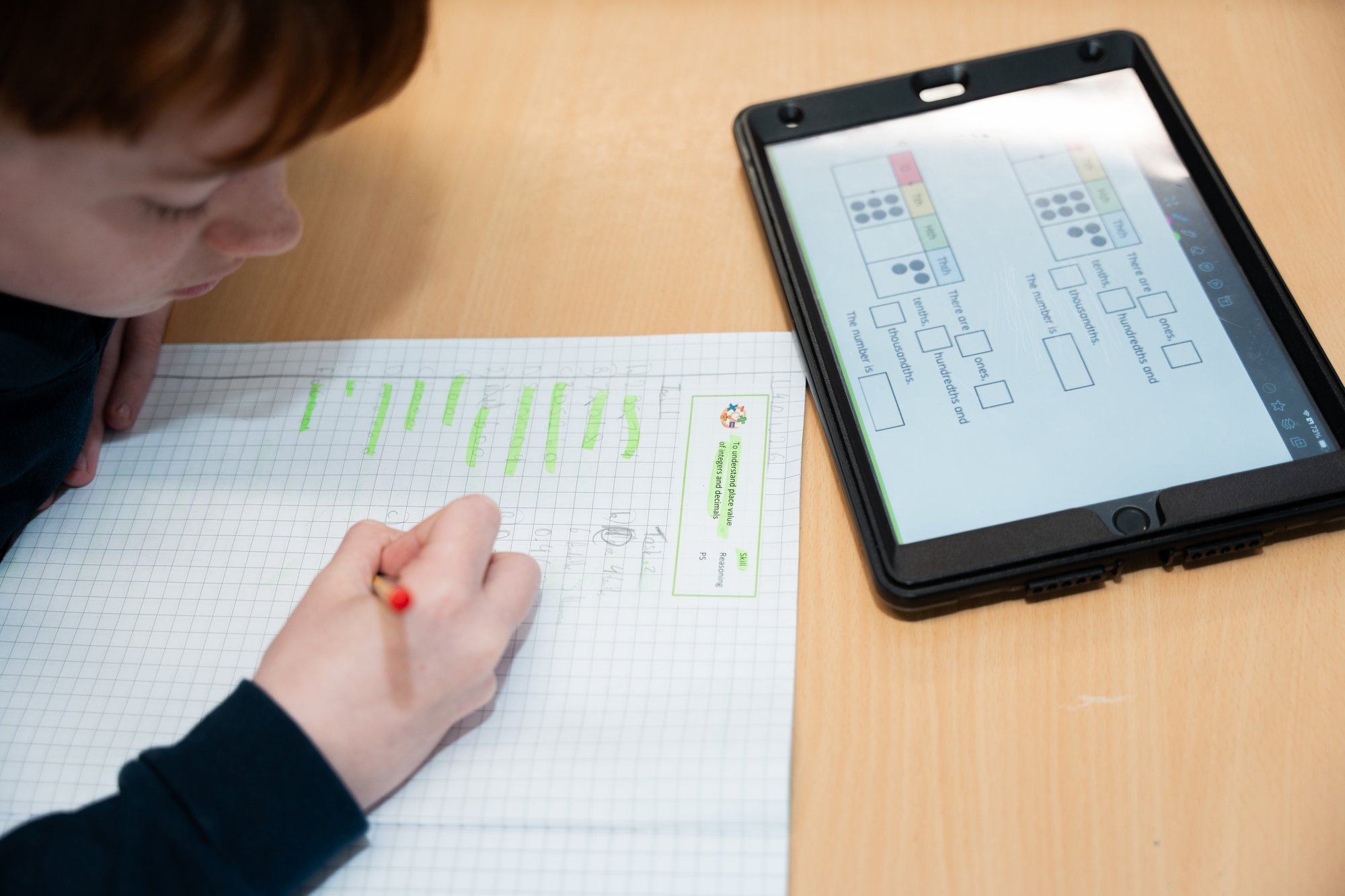
Consistent lesson routines have also helped pupils feel more secure. When they know what to expect and where to find resources, they can focus their energy on learning rather than navigation. That security, combined with real-time visibility, means teachers can respond to pupils' needs as they emerge — rather than discovering them too late.
Removing Barriers to Learning
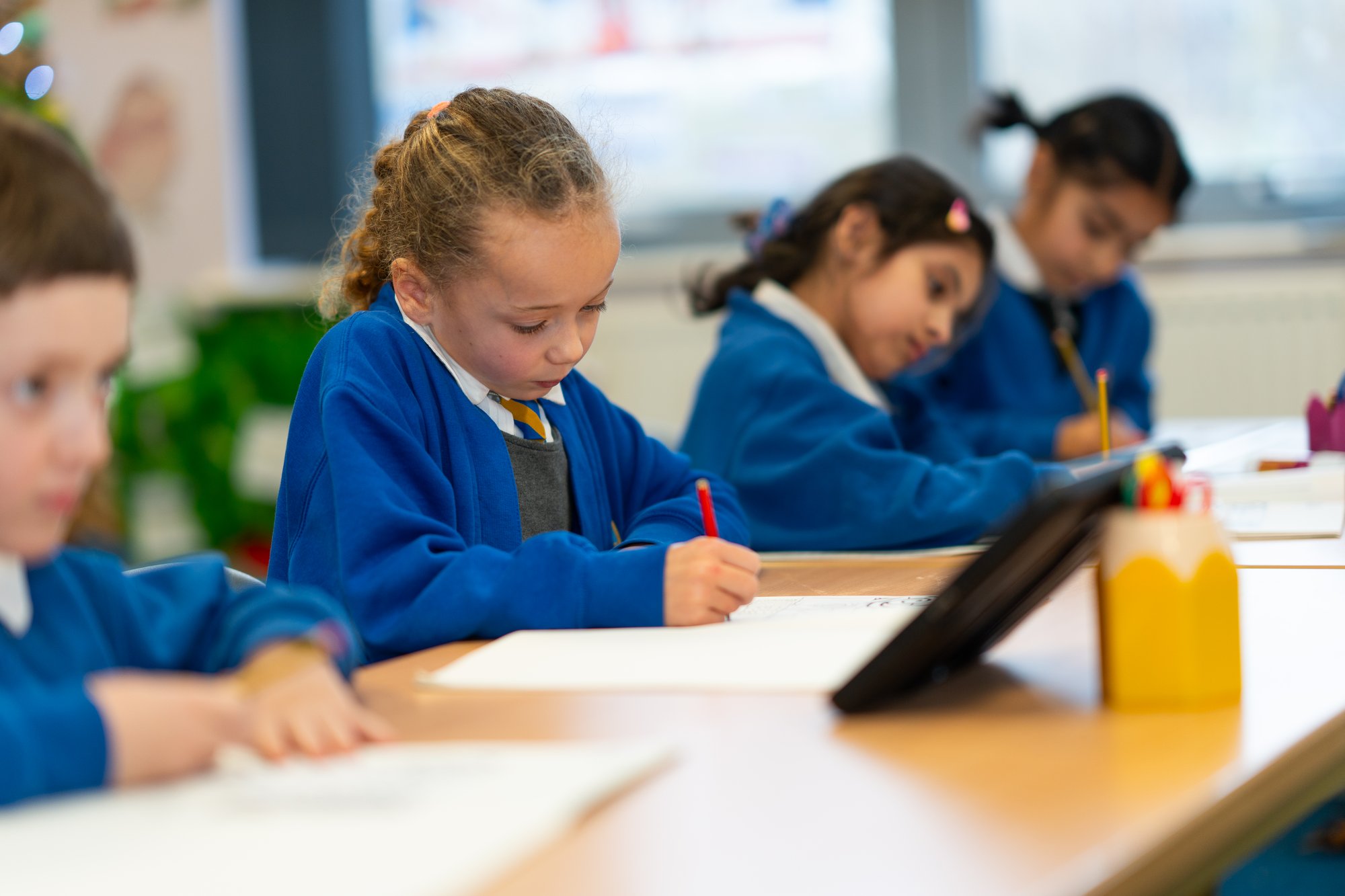
One of the most important shifts at Waterside has been in how pupils can demonstrate what they know. In a school with a large EAL cohort and high levels of deprivation, writing can quickly become a barrier — and in traditional classrooms, fluent writing is often taken as a proxy for understanding. Staff at Waterside recognised that this was masking pupils' true abilities.
By using Showbie, teachers can separate what pupils know from how well they write. Rather than depending solely on written output, pupils can record verbal explanations, use dictation tools or type directly, reducing cognitive load and allowing thinking to take centre stage. Teachers can also record voice notes or video explanations for pupils to replay independently, annotate directly on submitted work, and model tasks visually — meaning support is delivered in whatever form suits the learner, without singling anyone out or interrupting the wider class.
For pupils still developing their English, this flexibility is especially valuable. A pupil who once struggled to fill a page can now share ideas clearly through voice recordings. A child who is shy about speaking aloud can respond privately and with greater confidence. Pupils learning English can practise, listen back and refine their work before submitting it, building both language skills and self-belief.
Because every child uses the same device and platform, support is discreet — there are no separate systems or visible differences for those who need additional help. Teachers can adapt lessons in real time, adding scaffolding, adjusting tasks or dropping in additional resources based on what they are seeing as learning unfolds. This means adaptive teaching is not a separate intervention that happens after the lesson — it is woven into the lesson itself.
Assistant Headteacher, Hollie Williams, explains: "Here at Waterside we've got a few children who have maybe writing as a barrier and Showbie's helped us to remove that barrier for them."
Removing writing as a barrier has not lowered expectations. It has allowed all pupils to meet them fairly.
"The pupils know the structure of the lesson so they know what's coming. It takes away those barriers for our pupils."
Strengthening Professional Practice
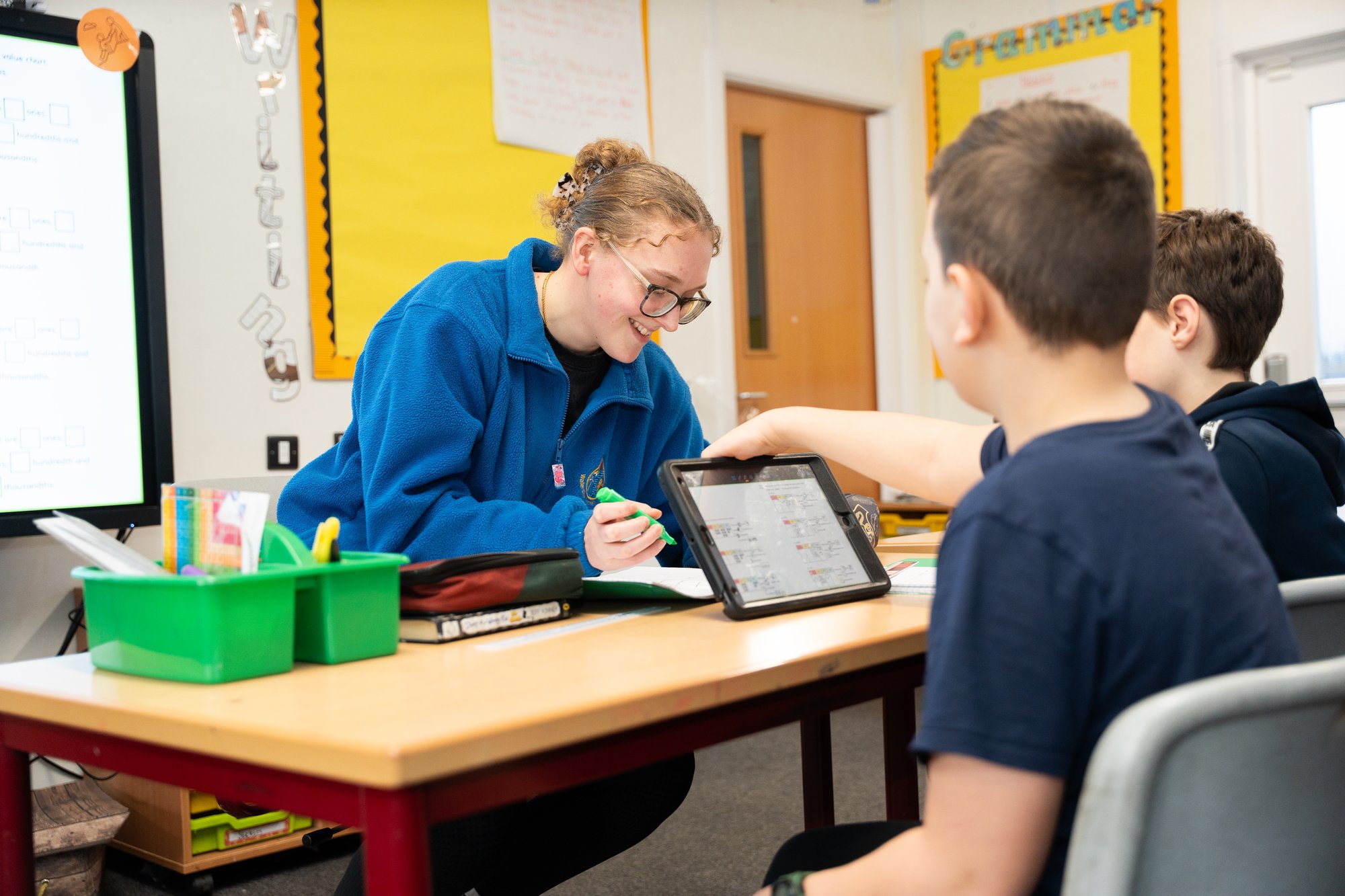
Digital learning at Waterside has changed how teachers work as much as how pupils learn. Before Showbie, much of the feedback cycle took place after lessons ended.Teachers collected books, marked them later or at home, and made changes to teaching in subsequent lessons once patterns in understanding became visible. This approach led to frequent delays in feedback.
Now, teachers see responses as they happen, spot misconceptions during the lesson and give guidance right when it is needed. Planning has become more flexible too — lessons can be adjusted without reprinting resources or restructuring tasks manually. The administrative weight of paper-based workflows has eased, and time previously spent sorting and marking books is now directed towards instructional thinking and pupil interaction.
“Showbie has helped teachers to adapt the lessons that they plan more easily, therefore reducing their workload."
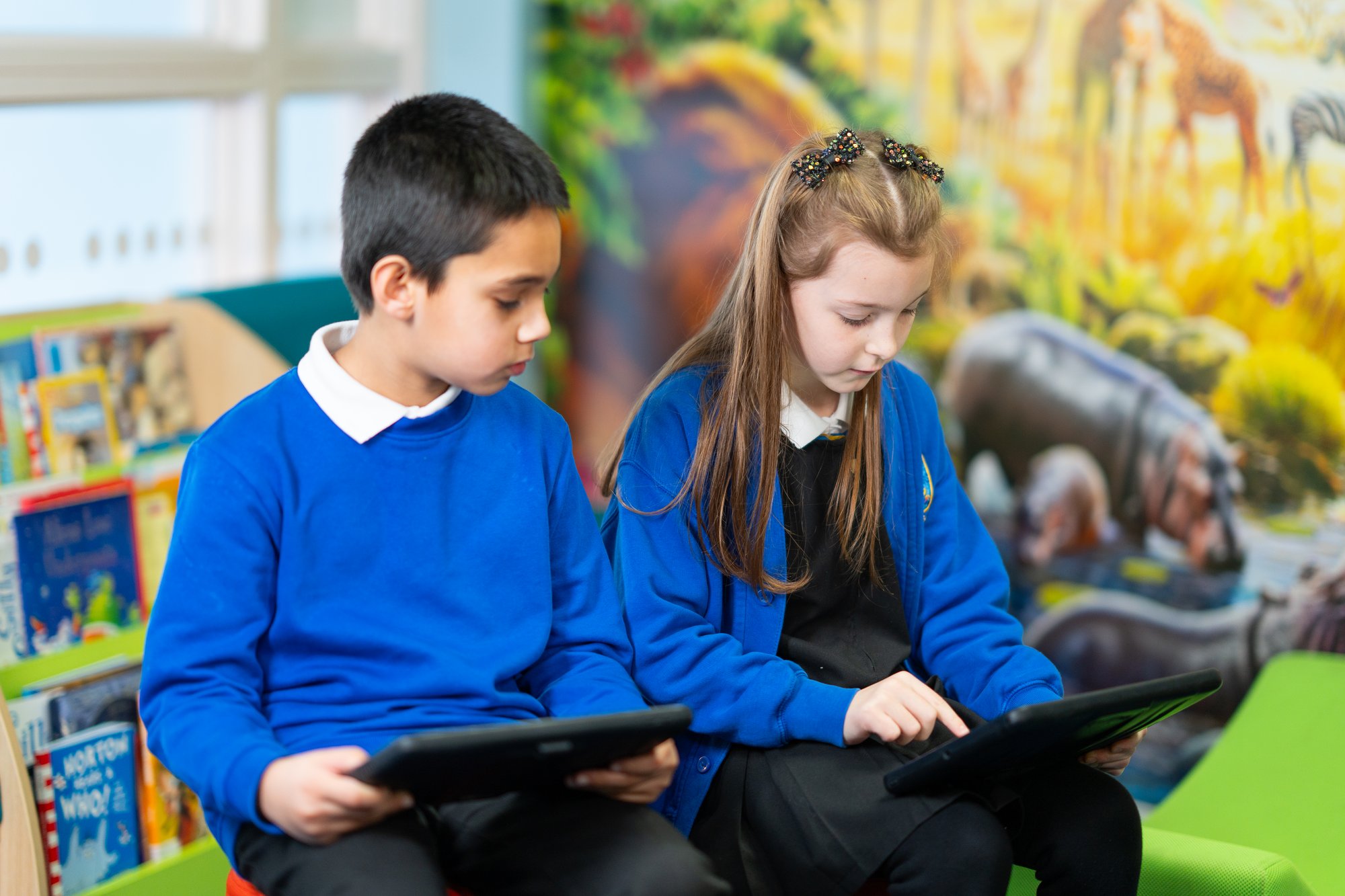
Assistant Headteacher, Hollie Morray, reflects: "Showbie has really changed the way I teach and the practice that I have in the classroom."
Teachers describe being more present in lessons — continuously observing, questioning and responding rather than carrying a backlog of marking. Within a school serving a complex and diverse community, that presence matters. When feedback is integrated into learning rather than postponed, pupils experience teaching that feels responsive, purposeful and sustained.
At Waterside, digital learning has not reduced professional standards; it has improved the processes around teaching, allowing expertise to be concentrated where it makes the greatest difference.
Making a Real Impact
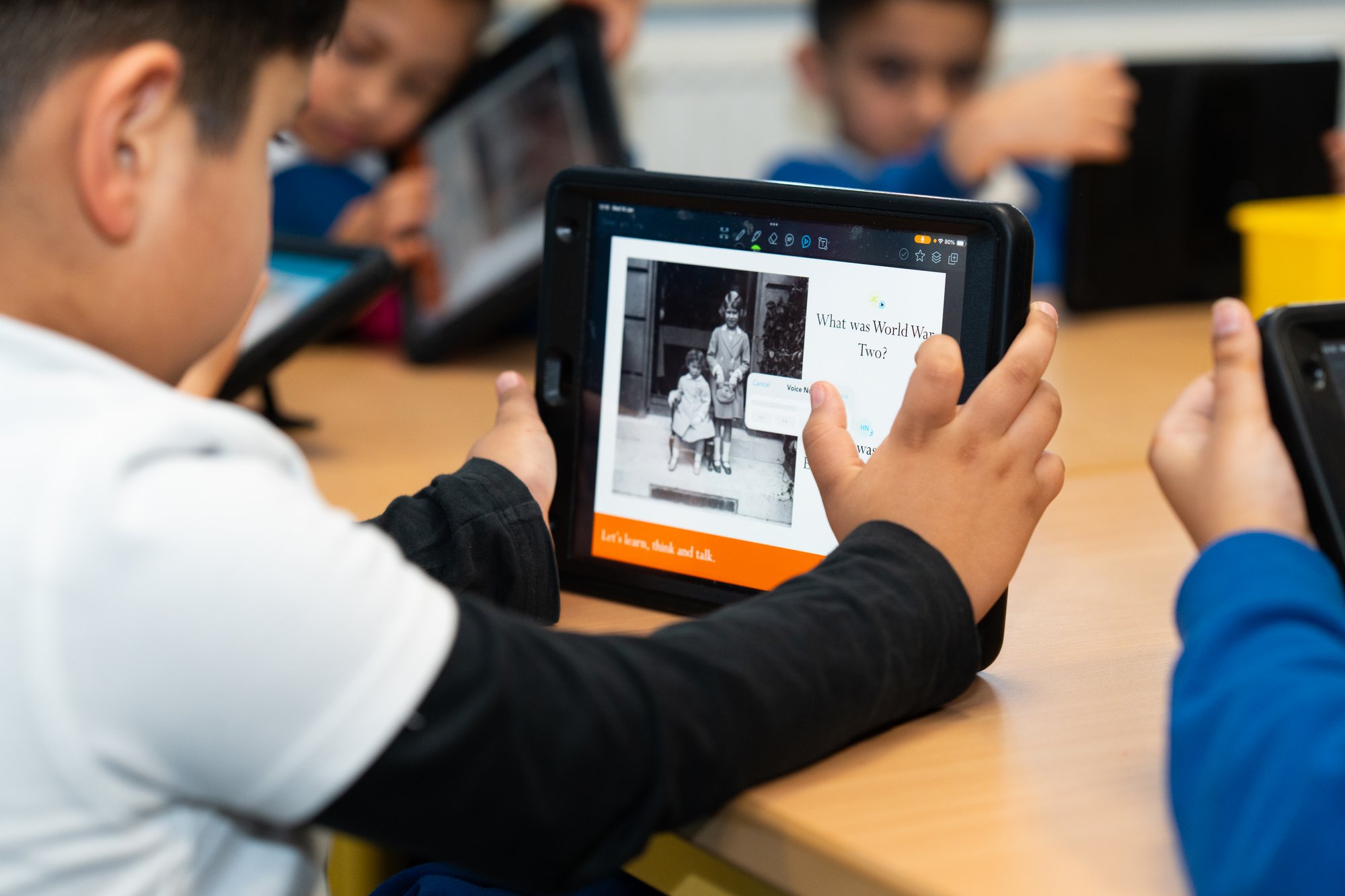
Beyond inclusion and assessment, Waterside's approach has changed how pupils see learning itself. Technology is no longer something reserved for computing lessons — pupils use digital tools to explain reasoning, capture spoken reflections, document practical work and revisit teacher modelling.
For many, especially those from disadvantaged backgrounds, this builds skills that will serve them well beyond primary school.
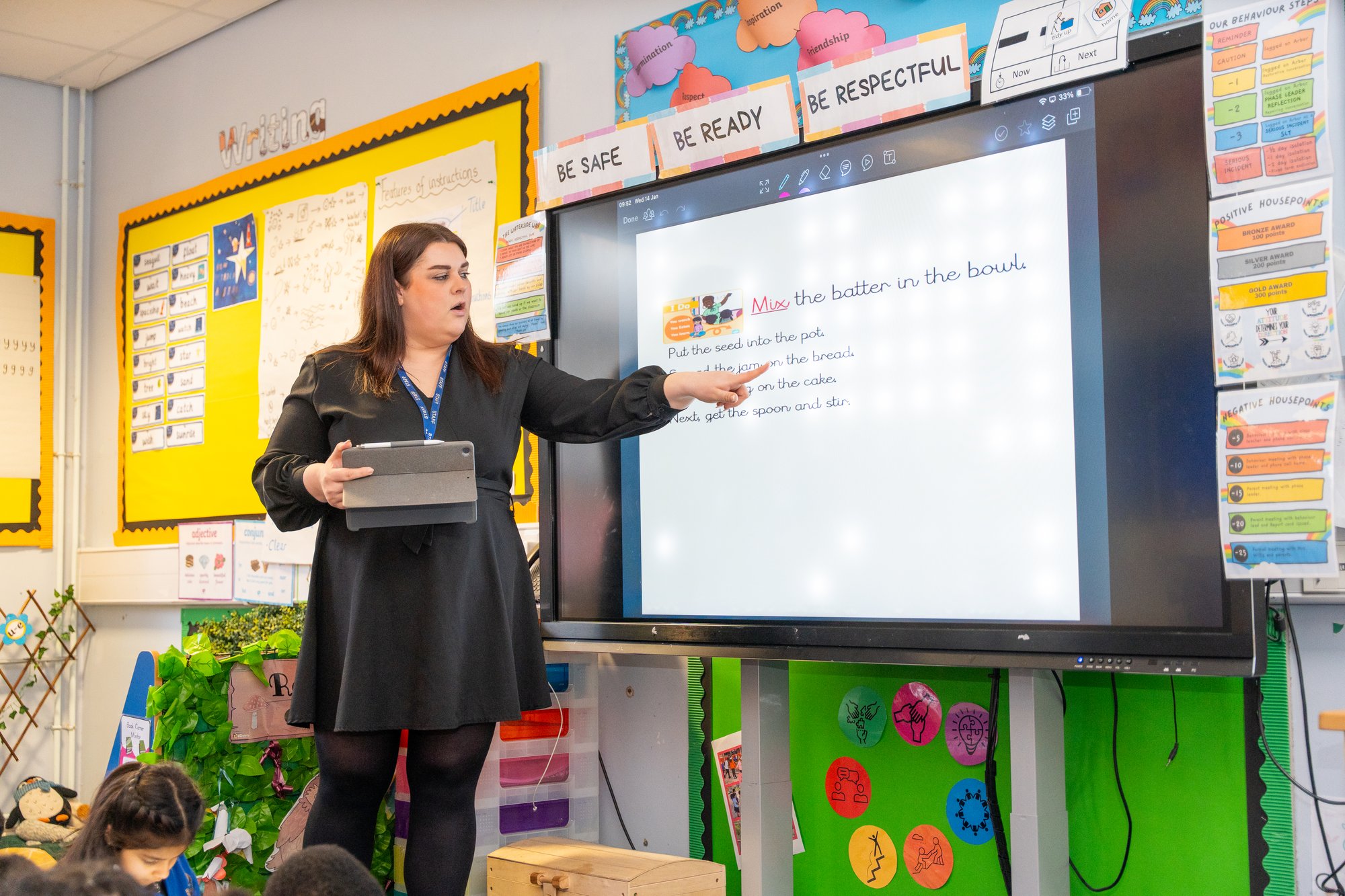
“One of our school priorities is making sure that pupils are ready for the future and Showbie is an essential part of that.”
What’s Next?
With a strong digital foundation in place, Waterside continues to refine its approach — making lessons more inclusive, strengthening assessment and ensuring that no barrier goes unaddressed.
Because at Waterside, digital learning is not about the device in a child's hand. It is about dignity in learning, confidence in expression, and making sure that every pupil, regardless of background, has the skills and self-belief to succeed beyond the classroom.